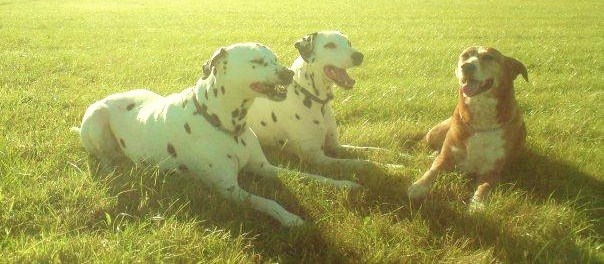
Welcome To Connors Legacy
Your Local Dog Behaviourist
Psychologist &Trainer

More Than 30 Years Experience Helping These Truly Amazing Animals
Anti Social behaviour act 2014
It's very rare that the problem is the dog. The problem is usually a communication issue between owner and dog, we help to build those bridges with understanding.
A few opinions from others of the help received by Connors Legacy
"I can honestly say if it were not for Bill I dread to think where Kai would be now"!
"I can't recommend Bill highly enough. He has changed our lives and I will always be grateful"!
"he has never met my dog yet his tips work amazingly so really would recommend him"!
"We feel very secure now that we know a lot more about dog behaviour and their way of thinking"!
Please consider looking at these and others on our
How To Train A Dog...
Establish The Rules Of The House
And The Sooner You Do The Less Problems You Will Encounter
In The Future With Your Dog
Your dog needs a good balance of Love, Instructions and Play to be a health, balanced dog. If you are having behavioural concerns with your dog, please first look at whether you are giving your dog more of one of the three things your dog needs. If you did want to give more of one item listed above then offer more instructions. This way your dogs will understand what is expected of them and not take any responsibility.
"You cant teach and old dog new trick"
If you have heard and believe this expression, or you have no idea how to train a dog or you are at your wits end with trying to train your dog, fear not! Every dog has the ability to "learn new tricks " no matter the age. You just need to understand your dog to help it understand you. Whether you seek effective puppy house training methods or basic dog obedience training, training your dog will probably be easier than you think.
No dog that I have worked with would be recommended to use any medication (unless for health reasons recommended by a vet) and the owners would be helped to understand the best way to psychologically help their dogs with behavioural problems. We have had no reason to recommend the use of any training method that offer dominance (electric, pinch, spray, barking collars, stones in a tin etc...), unless it was something your dogs own mother would use to correct behavioural problems. We only recommend Half Check collars (sometimes called Half Choke, although used correctly should not choke) and a training lead.
We help the owner to understand the dog language and how to naturally correct any behavioural problems and using these methods we are proud to say we have helped every dog that we have worked with. Although it is up to you as the owner to continue to use these methods correctly after our departure as to continue to help your dog to feel safe and offer you respect.
Puppy Training Methods
Puppy training should always focus on socialization, socialization, socialization and the prevention of unwanted behaviours. The biting of the ankles, barking, jumping, chasing and nipping that may be cute in your puppy will not be cute when he grows into an adult, no matter the breed. Rather than focusing on puppy training obedience, you should concentrate on puppy socialization and the prevention of problem behaviours through rewarding desirable behaviours, keeping in mind not to reinforce unwanted behaviours through play or petting at the wrong time. Good management and a good understanding of how your dog thinks, can help to stop unwanted behaviour without the need for punishment (more on this later!)
How To Train A Dog Step 1: Reward Desirable Behaviour
It is a human tendency to focus on what we don't like, often to a fault. The crux of effective dog training, whether you are house training your dog or teaching obedience behaviours, is to never miss an opportunity to reward your dog for doing the right thing and never discipline your dog for doing the wrong thing. Dog owners generally like dogs to sit politely, lie down, go settle on a mat or in a crate, or be quiet - remember to click and treat your dog for these behaviours to increase the likelihood that your dog will offer the in the future.
Depending on the situation, the right thing may vary. For dogs that are excited and jump to greet visitors, the right thing may be "four on the floor." Click and treat your dog for all four paws on the floor when a new person approaches or enters the house. You can ask the person to walk directly towards your dog before your dog jumps up or after your dog has jumped up, this will make your dog think twice about jumping up. Please never allow anyone to stroke your dog when they first come in, this could cause or confirm the jumping up. If your dog is usually barky when out on a lead, this is lead training concerns and I would personally recommend you never take the clicker and treats out on a walk with you as this can cause anxiety within your dog and you can confirm the wrong behaviour.
Please only teach your dog with the clicker in the home and garden, taking out the methods of control you have taught instead of the training method.
Concentrate on what you want your dog to do instead of what you want your dog to stop doing.
For problem behaviours like barking, nipping, jumping, or growling, think of what you would prefer the dog do instead and develop a training plan to get there. If you need help, find a experienced trainer/ behaviourist to assist you.
How To Train A Dog Step 2: Dealing With Unwanted Behaviour
Extinction: Extinction involves the principal of "non-punishment, non-reinforcement," essentially, ignoring the behaviour. A lot of dogs offer unwanted behaviours because they've been taught to be that way, mostly be owners that don't know any different. Most of us will think the behaviour is something we as humans would do - dogs pull on lead because it gets their owners to move forward/faster on walks, dogs bark for attention, jump to greet, they're stubborn, etc. Often, ignoring the behaviour is the best bet, but don't ignore the dog - wait the dog out and then reinforce when he offers an alternative behaviour (sits instead of jumping, for example). Extinction requires some patience, especially if the behaviour has been trained/confirmed for quite some time.
Watch out for and expect unbalanced behaviour sometimes known as "extinction bursts". If the dog is used to getting your attention through barking, and suddenly you ignore the barking, the barking may intensify before it goes away. This unbalanced behaviour is normal behaviour as we need to unbalance before we can rebalance, you must be prepared to ride out the extinction burst or the unwanted behaviour may return, stronger than before.
Management: Does your dog counter surf? Get the food off the counter! Dogs counter surf to get food. This is instinctive behaviour as the food drive within your dog is usually a very big drive. Dogs are instinctive scavengers at the end of the day. Managing the situation means crating or gating your dog when food is on the counter, and removing the temptation of engaging in the unwanted behaviour by cleaning up when you are not there to supervise. That said, managing the behaviour is not the same as dealing with the behaviour. Training your dog to leave the room to lay on a mat in another room out of sight of the food will help to stop counter surfing and other unwanted behaviours like separation anxiety. Management is preventing your dog from rehearsing unwanted behaviours but training to control your dogs environment and not your dog, will help far better.
Training Alternative, Incompatible Behaviour - A dog cannot jump or mount if he is settling on a mat. A dog will not usually bark if he is fetching a ball that fills his mouth, unless he is over excited. A dog will not be aggressive with another dog if you have trained him you don't want him to be this way. If your dog is doing something you don't like, think of what you would like him to do instead and train that alternative, incompatible behaviour to fluency! Never tell him off or smack him, especially on the nose. As you can teach your dog to do the thing you are telling him off for, simply by telling him off.
Negative Punishment: In laymen's terms, negative punishment means a time out for the dog. Negative punishment is very effective for self-reinforcing behaviours - behaviours dogs do because they're "what the dog believes you want". Barking, jumping, resource guarding and nipping can be self reinforcing. For guidance on when to use negative punishment as opposed to extinction - Get in touch with a local Dog Psychologist, Behaviourist or Clicker Trainer
This is but a simple introduction to training your dog. For more help, find a trainer near you. Remember, if the training isn't fun for you and your dog, you're not doing it right! A good trainer will produce dogs that love to work and people that love training their dogs. If either of these elements are missing, seek a new trainer today.
Click on here for help with all your dog training needs including
To promote the Colchester Councils Responsible Dog Ownership Campaign, please take advantage of our free assessment offer and ask about our other promotional offers. The offers usually include, lead training, clicker training, understanding your dog and their language. Helping you to save hundreds of pounds. For more information, please contact Bill direct on 07989473131, or via our Facebook page... Connors Legacy Dog-Behaviourist. Please quote offer upon booking. Terms Apply
Dog Separation Anxiety and How to Deal with It

Separation Anxiety VS. Looking For Something To Do
Separation anxiety (S.A.) symptoms often resemble boredom behaviours, including chewing, dissecting, digging (if dogs are left outside), "accidents" in the house, and excessive vocalization (howling or barking). A closer look at your lifestyle will determine if yours is a case of dog anxiety or dog boredom.
Some Dogs Struggle With Modern Lifestyles
According to Raymond and Lorna Coppinger, dogs evolved because humans have inadvertently or intentionally selected for "low flight distance" for millennia - those dogs that were most comfortable in close proximity to humans and their settlements were most likely to receive food from humans. Closeness to humans conferred a reproductive advantage for dogs through increased access to resources.
Traditionally, this arrangement worked well for dogs. Then and in many rural areas today, leashes or fences were few or non-existent. Dogs could roam off-leash, greeting other dogs, chasing squirrels, rabbits, deer, woodchucks, cats, and the occasional skunk or porcupine. Crashing happily through woods, fields, and streams, dogs exercised their bodies and all their senses. Many worked closely with their owners all day hunting, herding, carting, or guarding. These dogs would then return home exhausted, crash on the floor to happily receive belly rubs, and sleep until morning. Very few dogs living this type of lifestyle suffer from separation anxiety.
Ask Not What Your Dog Can Do For You, But What You Are Doing For Your Dog
How much exercise does your dog get? How much daily training? How often do you play with her? How long are you separated each day? How often does she socialize with other dogs appropriately?
Many dogs have deficits in socialization (with humans and dogs), mental stimulation (training, toys, play), and/or physical stimulation (running, swimming, walking, hiking, playing). Make sure to provide your dog with an opportunity to engage in all three daily. If dogs are not provided with this stimulation, boredom digging, chewing, barking, will likely ensue. Fulfilling basic needs remedies behaviour problems related to boredom.
Puppy Separation Anxiety
Separation anxiety can take root in puppyhood -  now is the time for prevention. It is always better to prevent than untrain; so provide your puppy with "stuff to do" in your absence (stuffed Kongs, a visit from a puppy walker to play/walk), and always remember to make entries and exits to the home very low key (these are good tips for adult dogs as well!). Practice separation as a behaviour, starting with a small duration and gradually building as your dog is successful. now is the time for prevention. It is always better to prevent than untrain; so provide your puppy with "stuff to do" in your absence (stuffed Kongs, a visit from a puppy walker to play/walk), and always remember to make entries and exits to the home very low key (these are good tips for adult dogs as well!). Practice separation as a behaviour, starting with a small duration and gradually building as your dog is successful.
If you must say goodbye to your dog, do it well before you plan on leaving (at least a half hour in advance) and get it out of the way - remember that this is for your benefit - not your dog's; dramatic goodbyes will only teach her that separation is cause for stress. Wait for calm behaviour before greeting your dog upon your return home, and keep the greetings quiet, relaxed.
Identifying Separation Anxiety In Dogs
If your dog's basic needs are being met and you still suspect separation anxiety, look for the following symptoms: extreme destruction of property or self (tearing walls apart, bloodying paws trying to escape from a crate, breaking or cracking of teeth trying to escape the house or enter if left outside, anorexia/inability to drink fluids when left alone, inability to be separated from you (even briefly, in another room) while you're at home, and anxiety behaviour related to one specific individual in the household (dog is not relieved by the presence of other household members in the absence of the attachment figure). If you note these symptoms in your dog, consult with a behavioural professional for guidance.
Dog Separation Anxiety Solutions
Dog separation anxiety treatment should include desensitization and counter-conditioning to the attachment figure's absence as well as the environmental cues which predict her absence (grabbing keys, putting coat/shoes on, sunglasses, starting the car, etc.). For extreme cases, it is best to bring a behaviourist, or veterinarian into the rehabilitation team, as some S.A. dogs can benefit from conventional or alternative medical treatments. For dogs with hormonal or neurochemical imbalances, desensitization and counter-conditioning may need to be accompanied by medication or supplementation. For these dogs, neither medical nor behavioural treatment will be successful without the other, although again only in extreme cases.
Noise Anxiety From Traffic Thunderstorms Or Fireworks
What are the signs of noise phobia?
Different animals may display different signs of noise phobias which include:
Hiding
Urinating
Defecating
Chewing
Panting
Pacing
Trying to escape (digging, jumping through windows or going through walls, running away)
Drooling
Seeking the owner
Expressing anal glands
Not eating
Not listening to commands
Trembling or shaking
Dilated pupils
Vocalizing (barking)
Dogs are more likely to Bite if they are showing signs of fear, so please DON'T try to give your dog a comforting Hug. The owner's attitude can influence the severity of the fear. For instance, if owners themselves are nervous during storms, noise phobias in their pets may occur more often or become more severe. Similarly, if the owner attempts to comfort the animal, the animal interprets it as confirming there really is something to be afraid of. The petting or comforting is really reinforcement of an undesirable behaviour.
To help your dog to stop worrying about the noises, it would be better to try to distract your dog with something you know they like to do. Like playing fetch or running through everything your dog has learned whilst training. Call your dog to you, DO NOT GO TO YOUR DOG. They may not wish to do it at first, but don't give up. By being assertive and calm you will attract your dog to you and try to find a treat your dog really likes, so you can start to take their mind of the noise through distraction.
If you feel fear during a thunder storm, please do not try this if your dog has already run away to hide. Leave them hiding and seek professional help, because your dog will sense your fear and this will make them worse.
So to recap if your dog is showing signs of fear:
DO NOT SHOW ANXIETY YOURSELF
NEVER PET, HUG OR TRY TO COMFORT YOUR DOG AND WATCH YOU CHILDREN WITH YOUR DOG AT THIS TIME
DO NOT GO LOOKING FOR YOUR DOG, CALL THEM TO YOU
MAKE SURE YOU HAVE A REALLY TASTY TREAT FOR THEM WHICH WOULD HELP TO KEEP THEIR ATTENTION
PLAY FETCH, TUG ON THE ROPE, RUN THROUGH ALL YOUR DOG HAS LEARNED A FEW TIMES FOR COMFORT OR TRY TO TEACH A NEW ONE IF YOUR DOG SEEMS TO HAVE A GOOD ATTENTION SPAN
DO NOT PET, HUG OR TRY TO COMFORT YOUR DOG DURING THIS TIME, AS YOU WILL PUT YOUR DOG BACK INTO THE SAME FRAME OF MIND THEY WERE IN BEFORE YOU STARTED
TRY TO MAKE IT FUN
Seek professional behavioural advice as soon as possible after this event
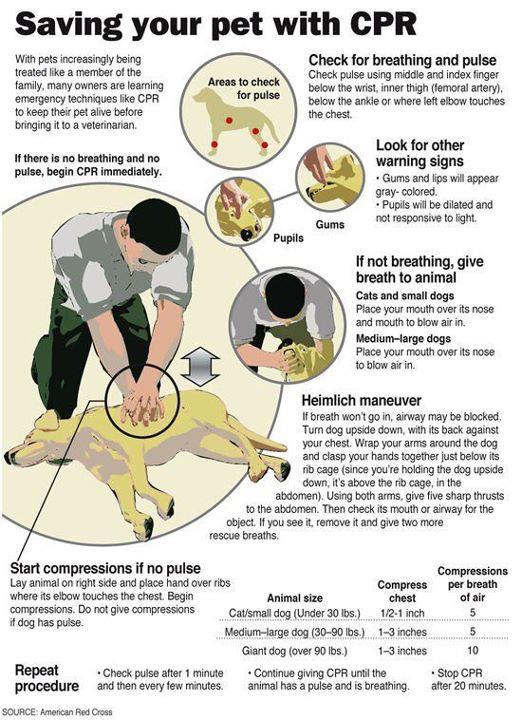
In the event of your dog going into shock please call a vet, below is only a guide and ask the vet for their advice firsts.
Dont Blame The Breeds, Blame The Act.
The Dangerous Dogs Act

And RIP to all the other 'Pit Bull Types' and the other so called dangerous dogs that this Dangerous Dogs Act caused the unnecessary deaths of.
Domestic Dogs have been bred through the years to please humans. A dog would need to be trained that it was ok to bite another dog or human. Any other time, the domestic dog would bite through fear and would usually give a warning before doing so, like a growl or bark. Police and Security dogs need to be trained to act the way they do.
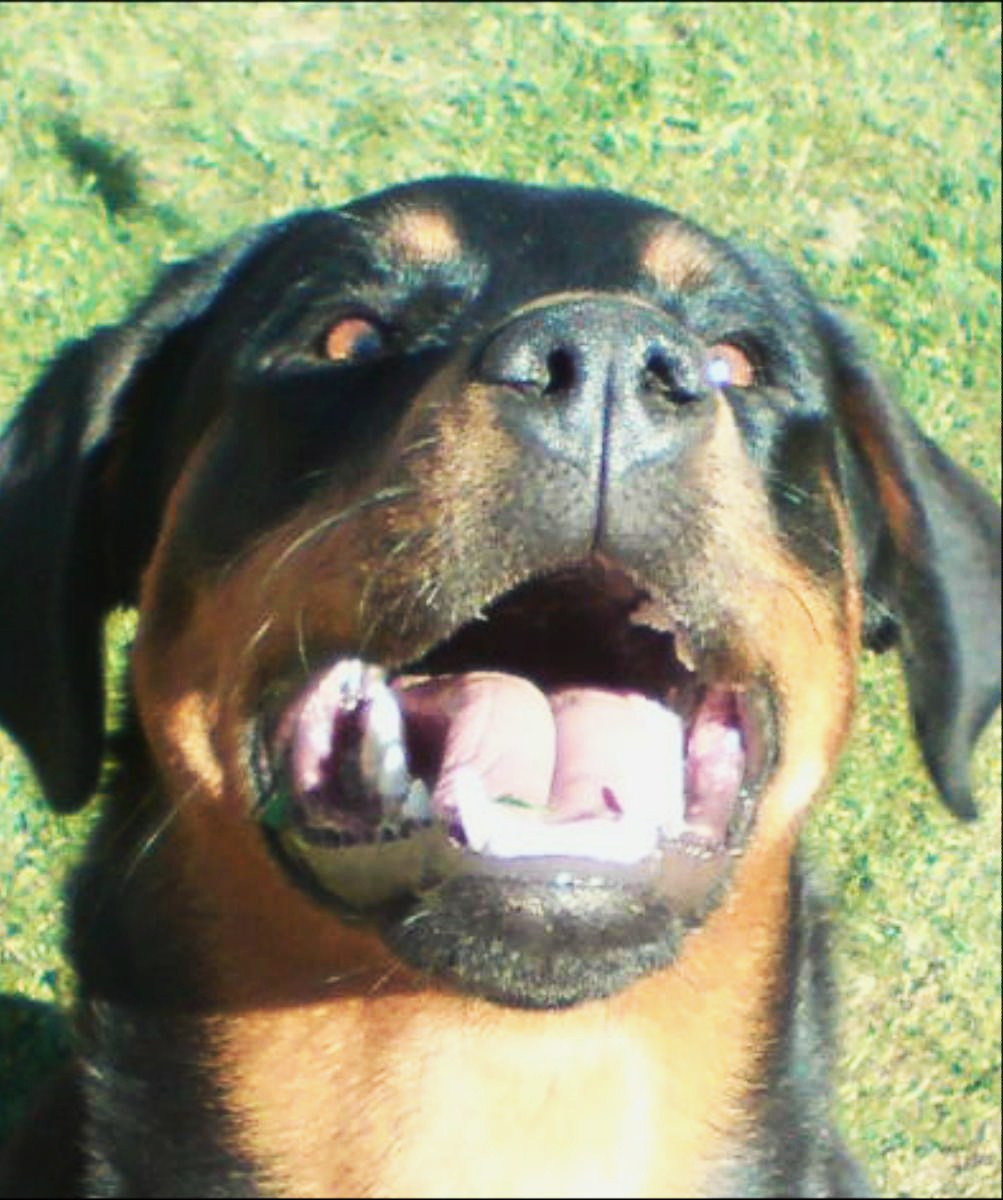
Please click on the picture of beautiful Afra above for the
Dog Psychology Home page
Pease help us to help you. If you believe this site could be improved in anyway, please contact us at the address below. Thank you..
Please Follow Us On
 Or Or 
Contact Us Via
*Mobile: 07989473131 (Bill)
or contact us via email at
enquiries@connorslegacy.co.uk
You can also find us on Facebook, Myspace or Twitter. Please also read our Testimonials.
To Find Dog Rescue Centres Near You Click Here
Can you give one of the many thousands of dogs in rescue home a full time loving home and help reduce the need for as many rescue centres
Return to Welcome page
Please come along to one of our Free Socialisation Walks on Thursdays and Sundays. They last about 2hrs, although you are free to come and go as you wish. Terms Apply.
*Calls from a mobile will be set at your network providers standard rate, but calling a landline or mobile without any cross network minutes may cost more.
(t) Travel Expences may need to be met, which may include overnight accommodation.
|